Conflict Management Skills for Door Supervisors
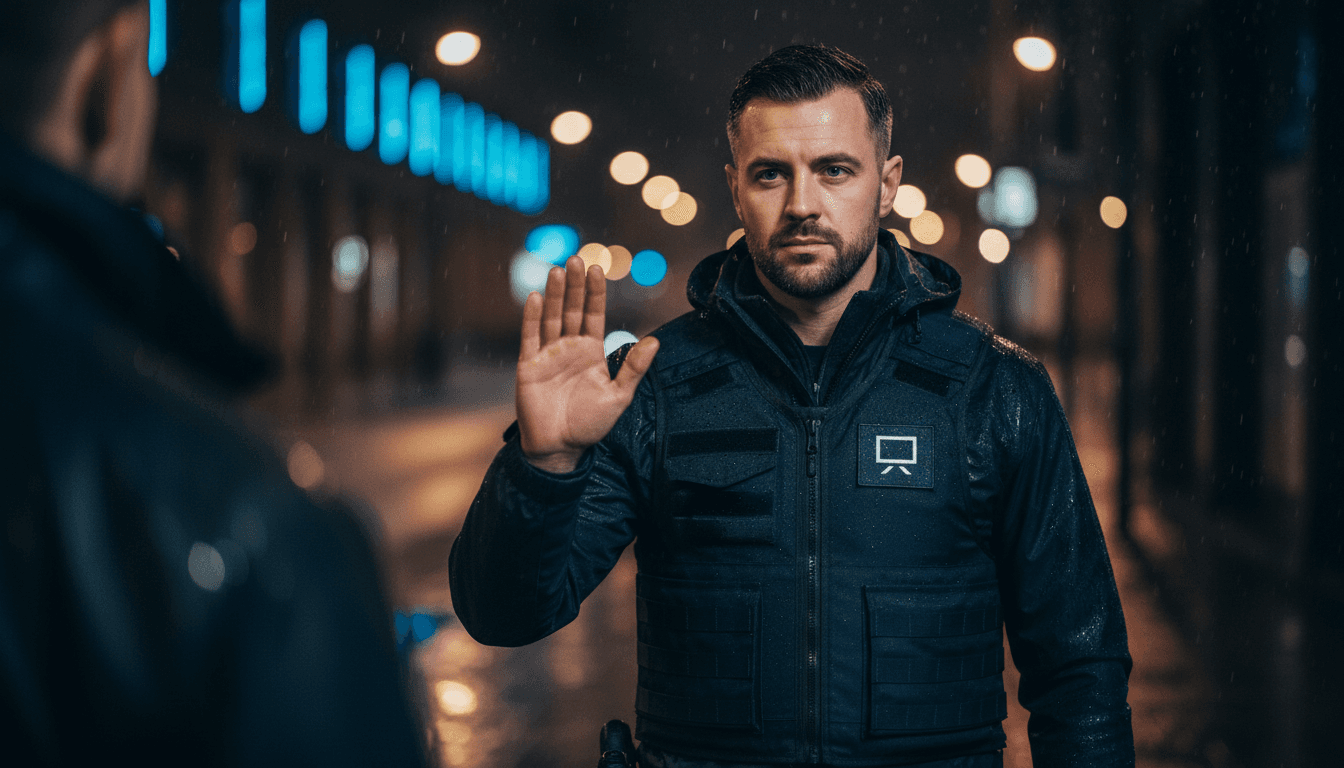
Conflict management is one of the most critical skills for door supervisors. The way you handle tense situations can prevent violence, protect your SIA licence, and keep venues safe for customers and staff. Most incidents can be resolved without force when handled early, calmly, and professionally.
Good conflict management is not about dominance. It is about control, awareness, and communication.
Understanding Conflict in Licensed Venues
Licensed venues combine alcohol, crowds, noise, and heightened emotions. These factors increase the likelihood of disputes and reduce people’s ability to think rationally.
Door supervisors must stay alert to early warning signs and act before situations escalate.
Common Triggers and Legal Responsibilities
Many incidents follow predictable patterns. Common triggers include:
- Refusal of entry or service
- Ejections from the venue
- Intoxication and impaired judgement
- Queue disputes or perceived disrespect
Recognising these triggers allows you to prepare your response before emotions peak.
Door supervisors operate under strict legal expectations. Any action you take must be reasonable, necessary, and proportionate. Understanding your legal boundaries protects you, your employer, and the public.
Core Principles of De-escalation
De-escalation should always be your first option. Physical intervention is a last resort when safety is at immediate risk.
Early Action and Emotional Control
Addressing issues early is far more effective than waiting. A calm word or clear instruction at the first sign of agitation can prevent a full confrontation later.
Your behaviour sets the tone. Calm speech, steady posture, and controlled movements reduce tension. If you appear angry or anxious, the situation is more likely to escalate.
Space, Time, and Awareness
Giving people physical and emotional space helps them regain control. Take a small step back, slow your speech, and allow pauses so the individual can process what you are saying.
Communication Skills That Defuse Conflict
Communication is your most powerful tool during conflict.
Listening and Body Language
People calm down when they feel heard. Maintain eye contact, acknowledge what they say, and avoid interrupting. You do not have to agree, but you do need to listen.
Your body language should be alert but relaxed. Keep your hands visible, avoid pointing, and do not crowd the person. Standing side-on rather than face-to-face can feel less confrontational.
Clear and Respectful Language
Speak clearly and at a steady pace. Use simple language and avoid sarcasm or threats. Acknowledging emotions, such as saying you understand they are frustrated, can lower hostility without giving in.
Setting Boundaries Professionally
Being respectful does not mean being passive. Door supervisors must enforce rules confidently.
Instructions, Choices, and Firmness
Explain expectations clearly and directly. Ambiguity causes confusion and prolongs conflict. People need to know exactly what is required of them.
Where appropriate, offer choices that lead to compliance. This gives the individual a sense of control while making outcomes clear.
If behaviour threatens safety or breaks the law, you must stand firm. Communicate this calmly and do not engage in arguments or repeated explanations.
Knowing When De-escalation Has Failed
Not all situations can be resolved verbally. Recognising this early protects everyone involved.
Warning Signs and Support
Warning signs may include clenched fists, aggressive posture, verbal threats, sudden silence, or scanning for exits or weapons. Trust your training and instincts.
Requesting backup is a professional decision, not a failure. Early support prevents situations from becoming unmanageable.
Physical Intervention as a Last Resort
If physical intervention is required, it must align with your SIA training. Use only the force necessary to control the situation and restore safety.
Teamwork in Conflict Situations
Door supervision is rarely a solo role. Team coordination improves safety and outcomes.
Communication and Coordination
Use radios and agreed signals to update colleagues discreetly. Clear communication prevents confusion and overlapping responses.
One person should lead communication with the individual while others provide support. Multiple voices often increase tension rather than reduce it.
Position yourself to assist without undermining a colleague. Be ready to step in if needed while maintaining a united front.
Managing Intoxicated Individuals
Alcohol significantly affects behaviour and understanding.
Adjusting Approach and Ensuring Safety
Intoxicated people need simpler instructions and more patience. Repeat key points calmly and avoid long explanations.
Highly intoxicated individuals may be a risk to themselves. Monitor their condition and consider medical assistance if required.
Handling Group Conflicts
Groups can escalate situations quickly due to peer pressure and audience effects.
Influencers and Crowd Control
In group situations, identify who others are following. Addressing that individual often calms the wider group.
Where possible, move discussions away from crowds. People are less likely to perform or escalate when they are not being watched.
Reporting and Documentation
Accurate records protect you and support professional standards.
Incident Reporting and Evidence
Record key details clearly and factually, including what happened, actions taken, and outcomes. Avoid emotional or opinionated language.
Note the presence of CCTV and any witnesses. This information may be essential if incidents are reviewed later.
Ongoing Professional Development
Conflict management improves with reflection and training.
Learning, Training, and Limits
Review incidents to understand what worked and what could improve. Sharing experiences with colleagues builds team learning.
Refresher training keeps skills sharp and aligned with best practice. Practising scenarios builds confidence for real situations.
Some situations require police or management involvement. Recognising this early is a sign of professionalism and good judgment.
Conclusion
Strong conflict management skills define effective door supervisors. By prioritising de-escalation, communicating clearly, working as a team, and acting within the law, you protect yourself, your venue, and the public.
Mastering these skills not only improves safety but also strengthens your reputation and long-term career in the security industry.