
Food Hygiene and Safety Standards in Hospitality
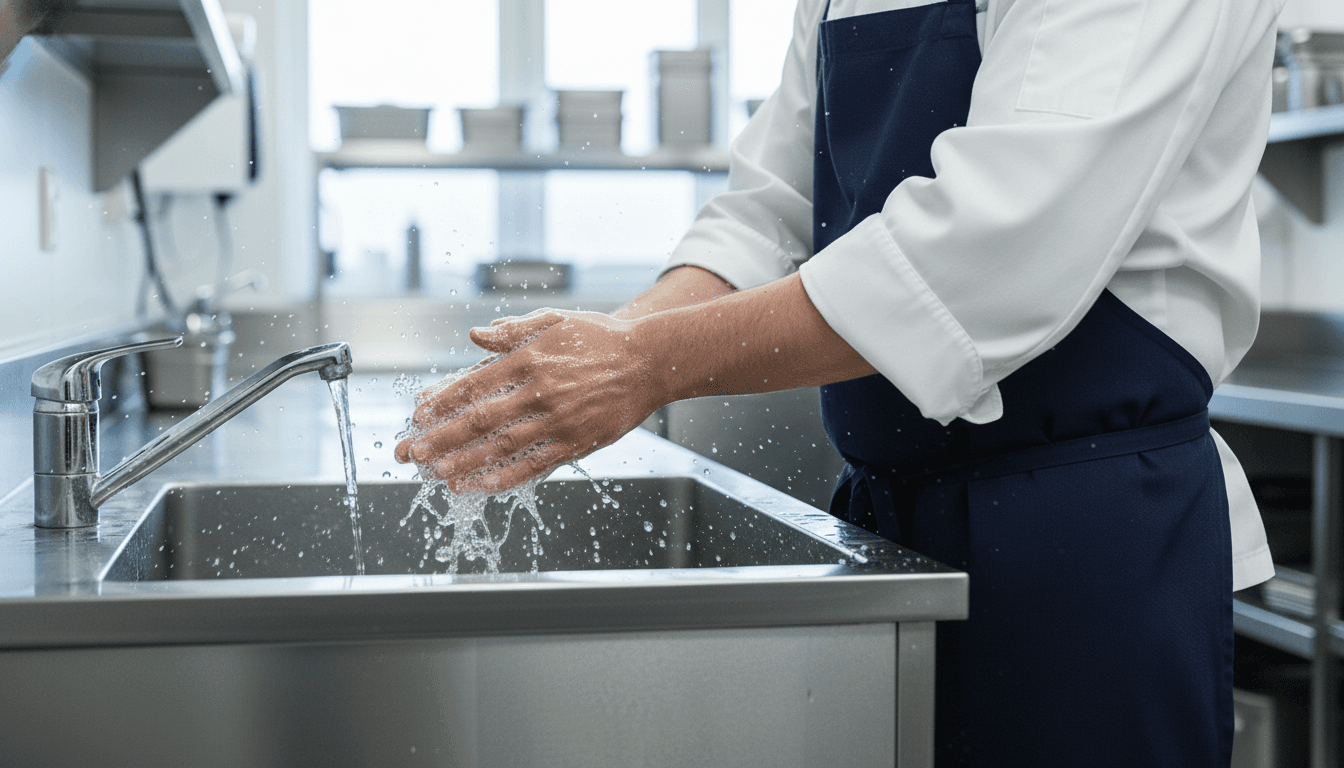
Food hygiene and safety are fundamental responsibilities in hospitality. Poor food safety practices can lead to serious illness, lasting damage to reputation, legal action, and even business closure. Every member of staff who handles food plays a role in keeping customers safe, from kitchen teams to front-of-house staff involved in service.
Strong food safety standards protect customers, support compliance with the law, and help hospitality businesses operate with confidence and consistency.
Food Safety Law and Regulatory Requirements
Food safety in the UK is governed by strict legislation. The Food Safety Act 1990 makes it an offence to sell food that is unsafe, not as described, or incorrectly labelled. The Food Safety and Hygiene (England) Regulations 2013 require food businesses to operate food safety management systems based on HACCP principles.
Local authority environmental health officers enforce these laws through inspections. Businesses are expected to demonstrate active control of food safety risks, not simply knowledge of the rules.
Food Hygiene Rating Scheme
The Food Hygiene Rating Scheme reflects how well a business complies with food safety law. Ratings range from zero to five and are based on:
- Hygienic handling of food
- Cleanliness and condition of facilities
- Effectiveness of food safety management
Ratings are published online and often displayed at premises. A high rating builds trust with customers, while a poor rating can deter business immediately.
Personal Hygiene for Food Handlers
Food handlers are one of the most common sources of contamination. Good personal hygiene is essential at all times.
Handwashing, Health, and Clothing
Handwashing is the most effective way to prevent contamination. Hands should be washed thoroughly before food preparation, after handling raw food, after cleaning, after breaks, and after using the toilet.
Food handlers must report illness, especially symptoms such as vomiting, diarrhoea, fever, or skin infections. Anyone experiencing these symptoms must not handle food and should only return after being symptom-free for at least 48 hours.
Clean protective clothing helps prevent bacteria from transferring to food. Hair should be tied back and covered where appropriate. Cuts must be covered with coloured waterproof dressings so they are easily visible.
Eating, smoking, or chewing gum in food preparation areas must be avoided, and personal belongings should be stored away from food areas.
Preventing Cross-Contamination
Cross-contamination occurs when harmful bacteria spread from raw foods or contaminated surfaces to ready-to-eat food.
Separation, Storage, and Cleaning
Raw and ready-to-eat foods must be kept separate at all times. Many kitchens use colour-coded chopping boards and utensils to support this.
Food should be stored correctly:
- Raw meat and fish on lower shelves
- Ready-to-eat foods above raw items
- All food covered and labelled
Clear labelling supports stock rotation and reduces the risk of unsafe food being used.
Surfaces and equipment must be cleaned and disinfected between tasks, especially after handling raw food. Cleaning removes visible dirt, while disinfection kills remaining bacteria.
Use food-safe chemicals and follow manufacturer instructions. Cloths and cleaning tools should be replaced frequently and kept separate for different areas.
Temperature Control and Safe Food Handling
Temperature control is critical for preventing bacteria growth.
Storage, Cooking, Cooling, and Reheating
Cold food must be kept below 5°C, while hot food should be held above 63°C. Refrigerators and freezers should be checked and recorded daily.
Cooking must raise food to a safe internal temperature, usually at least 75°C. Probe thermometers should be used to check thick or high-risk foods accurately.
Cooked food should be cooled quickly and refrigerated promptly. Slow cooling at room temperature encourages bacterial growth.
Reheated food must reach at least 75°C and should only be reheated once. Lukewarm reheating is unsafe and must be avoided.
HACCP and Food Safety Management
HACCP provides a structured approach to identifying and controlling food safety risks.
Hazards, Control Points, and Records
HACCP involves identifying hazards at each stage of food handling, from delivery to service. Hazards may be biological, chemical, or physical.
Critical control points are stages where safety must be controlled, such as cooking or chilling. Losing control at these points can result in unsafe food.
Clear limits must be set, such as minimum cooking temperatures. These limits should be monitored and recorded regularly.
If controls fail, corrective action must be taken immediately and documented. Records provide evidence of food safety management and help identify recurring issues.
Many hospitality businesses use simplified HACCP systems such as Safer Food Better Business to manage requirements effectively.
Managing Food Allergens
Food allergies can cause severe and sometimes fatal reactions. Fourteen allergens must be declared by law.
Staff must know which allergens are present in menu items and communicate accurately with customers. Guessing or making assumptions is unsafe and unacceptable.
Preventing cross-contact between allergen-containing and allergen-free foods is essential. Separate equipment and preparation areas should be used wherever possible.
Cleaning, Maintenance, and Pest Control
Clean premises reduce contamination risks and discourage pests.
Cleaning Systems and Pest Prevention
Cleaning schedules should clearly state what needs cleaning, how often, and who is responsible. Food-safe chemicals must be stored away from food and clearly labelled.
Different cleaning tools should be used for different areas to avoid spreading contamination.
Pests contaminate food and surfaces. Preventive measures include sealing entry points, managing waste properly, and storing food securely.
If pests are identified, professional pest control services should be used. DIY treatments can create additional risks in food environments.
Training and Food Safety Culture
Training ensures staff understand their responsibilities and apply food safety practices consistently.
Induction training should cover basic hygiene and reporting requirements. Refresher training helps maintain standards and address changes in procedures or legislation.
A strong food safety culture depends on leadership, clear expectations, and accountability. When food safety is treated as part of daily work rather than a compliance exercise, standards remain high consistently.
Conclusion
Food hygiene and safety are essential to successful hospitality operations. By maintaining high personal hygiene standards, controlling cross-contamination, managing temperatures, applying HACCP principles, and training staff effectively, businesses protect customers and their reputation.
Food safety is not a one-time task. It requires ongoing attention, commitment, and teamwork. When embedded into everyday practice, it supports compliance, customer trust, and long-term success.