Fire Safety in the Workplace A Complete Guide for Employers
Fire safety is one of the most important health and safety responsibilities for any employer. Workplace fires cause serious injuries, loss of life, disruption to operations, and significant financial damage every year. Many of these incidents are preventable through effective risk management, training, and ongoing attention to fire safety practices.
Taking fire safety seriously protects employees, visitors, and the future of your business. It also helps ensure compliance with UK fire safety law and reduces the risk of enforcement action or prosecution.
Legal Responsibilities for Fire Safety
Fire safety in non-domestic premises is governed by the Regulatory Reform (Fire Safety) Order 2005. This legislation places responsibility on the “responsible person,” usually the employer, building owner, or occupier.
Rather than prescribing exact measures, the law requires a risk-based approach. You must identify fire risks in your premises and implement appropriate controls based on the nature of the building, the activities carried out, and the people present. This means fire safety cannot be treated as a one-off checklist exercise. It requires active management and regular review.
Failure to comply can result in enforcement notices, fines, or prosecution, particularly where people are put at serious risk.
Fire Risk Assessment Explained
A fire risk assessment is the foundation of workplace fire safety. It identifies hazards, evaluates who may be harmed, and determines what measures are needed to reduce risk.
Identifying Hazards and People at Risk
Fire hazards fall into three main categories: ignition sources, fuel, and oxygen. Common ignition sources include electrical equipment, heating systems, cooking appliances, and hot work. Fuel sources include paper, packaging, flammable liquids, chemicals, and waste materials.
Walk through the premises systematically and consider how activities in each area could contribute to fire risk. Pay close attention to areas where ignition sources and combustible materials are close together.
You must also identify who may be at risk, including employees, visitors, contractors, and members of the public. Consider those who may need extra assistance to evacuate, such as people with disabilities, lone workers, or night staff.
Reviewing Controls and Recording Findings
Assess the fire safety measures already in place. This includes alarms, escape routes, fire doors, emergency lighting, extinguishers, and staff training. Equipment must not only exist but be suitable, maintained, and used correctly.
Record your findings clearly and assign responsibility for actions. The assessment should be reviewed regularly and whenever significant changes occur, such as building alterations, new processes, or changes in occupancy.
Preventing Fires in the Workplace
Preventing fires is always more effective than dealing with them after they start.
Electrical Safety, Housekeeping, and Hot Work
Electrical faults are a common cause of workplace fires. Regular inspection, testing, and maintenance of electrical equipment are essential. Avoid overloading sockets, replace damaged cables promptly, and switch off equipment when not in use.
Good housekeeping reduces the availability of fuel for fires. Keep work areas tidy, remove waste regularly, and store flammable materials safely. Smoking should be strictly controlled, with designated areas and proper disposal facilities.
Key prevention measures include:
- Regular inspection of electrical equipment
- Safe storage of flammable substances
- Clear escape routes and workspaces
Activities such as welding, cutting, or grinding require special controls. Hot work permits ensure risks are assessed, combustible materials are protected or removed, and fire watches are in place during and after work. This formal process significantly reduces the risk of fire starting unnoticed.
Fire Detection and Warning Systems
Early detection allows people to evacuate quickly and limits damage.
Alarms, Emergency Lighting, and Suppression
Fire detection may be manual, automatic, or a combination of both. Automatic systems using smoke or heat detectors provide earlier warning, especially outside normal working hours.
Alarm systems must be audible throughout the building, and emergency lighting should illuminate escape routes if power fails. Regular testing and maintenance are essential, and all checks should be recorded.
In higher-risk premises, automatic suppression systems such as sprinklers may be appropriate. While installation costs can be high, these systems greatly reduce fire severity and may lower insurance premiums.
Safe Evacuation and Escape Routes
If a fire occurs, everyone must be able to leave the building safely.
Means of Escape and Fire Doors
Premises must have sufficient exits, clearly signed and kept unobstructed at all times. Fire doors are critical for preventing the spread of smoke and flames. They should never be wedged open and must be inspected regularly.
Fire drills help ensure everyone understands evacuation procedures. Drills should be reviewed to identify issues such as congestion, unclear routes, or confusion.
Fire Wardens and Evacuation Planning
Fire wardens play a key role during evacuations. They help guide people out, check areas, and report to emergency services. Personal emergency evacuation plans should be in place for individuals who need assistance.
Fire-Fighting Equipment
Portable fire-fighting equipment supports early intervention but should never replace evacuation as the priority.
Extinguishers and Staff Training
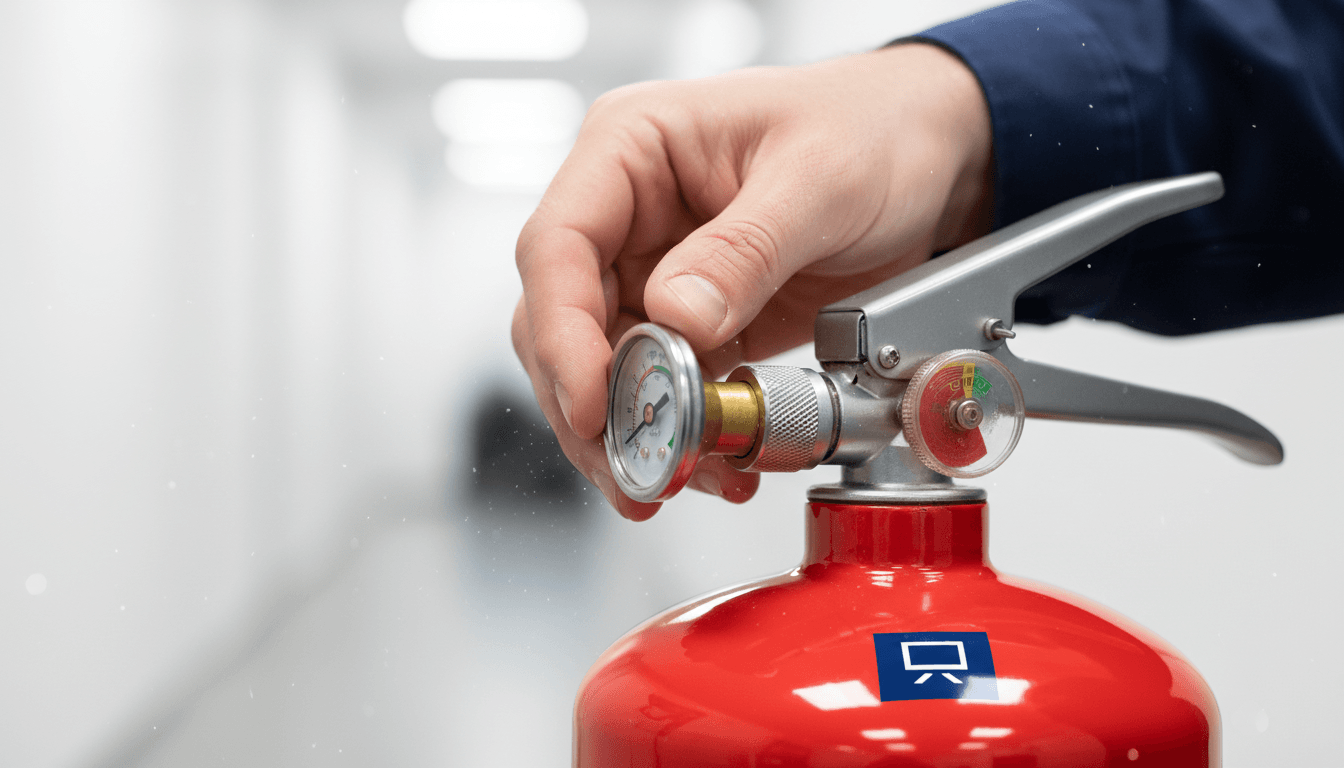
Different types of fires require different extinguishers. Equipment must be correctly located, clearly labelled, and regularly serviced.
Employees should receive basic training so they understand when and how to use extinguishers, and when not to. Staff should never attempt to fight a fire if it puts them at risk.
Fire Safety Training and Awareness
Training ensures people understand their role in preventing fires and responding safely if one occurs.
Induction, Refresher, and Role-Specific Training
All employees should receive fire safety training when they start work and at regular intervals thereafter. Training should cover prevention, alarm procedures, evacuation routes, and assembly points.
Fire wardens require additional role-specific training to carry out their responsibilities effectively.
Conclusion
Fire safety is an ongoing responsibility that requires regular assessment, training, and commitment. By carrying out thorough fire risk assessments, maintaining equipment, training staff, and embedding good fire safety practices, employers protect lives and safeguard their business.
Fire safety is not just a legal requirement. It is a fundamental part of responsible business management and a clear demonstration of care for everyone who enters your workplace.